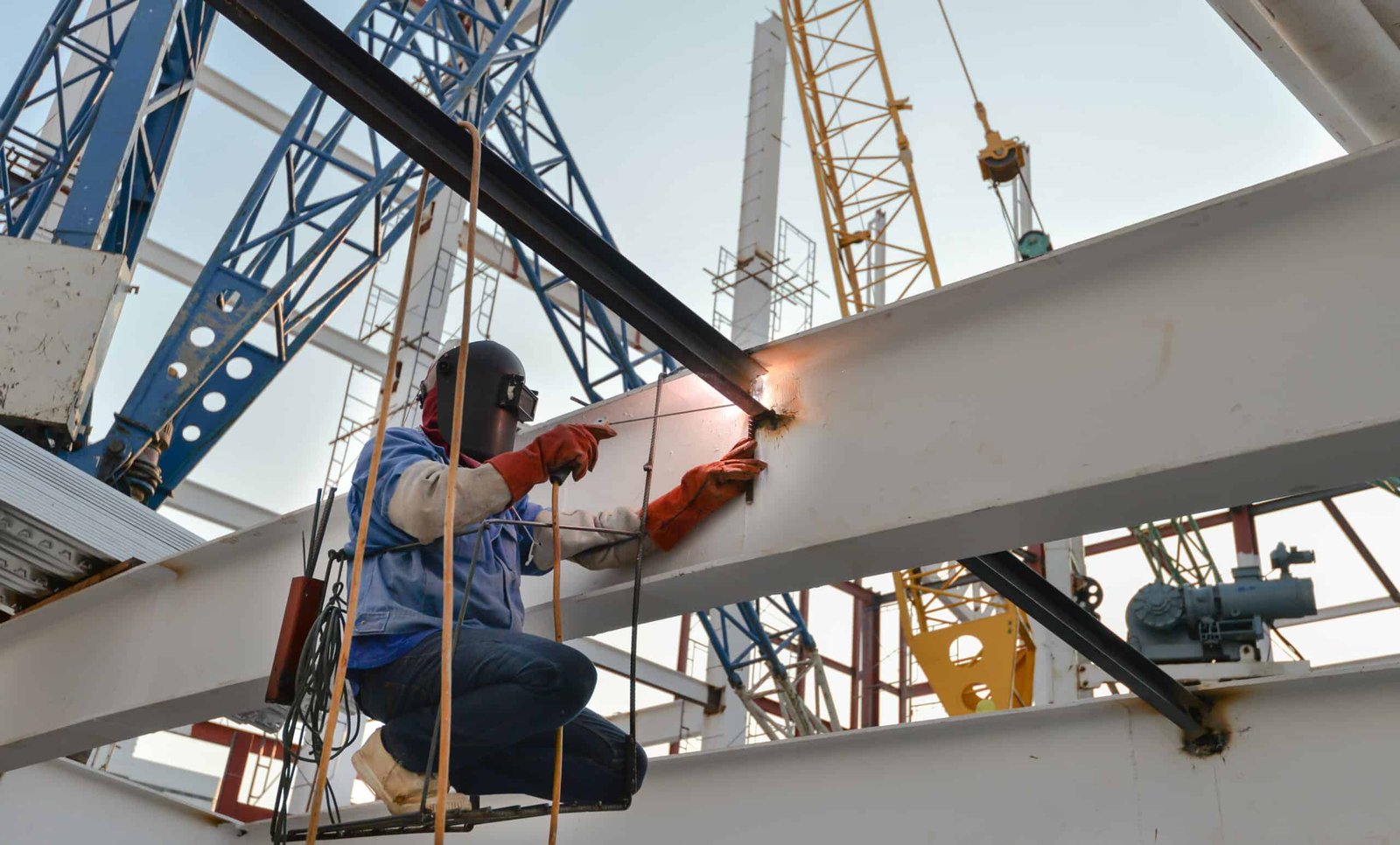
Canada continues to face a growing shortage of skilled trades workers, and welding remains one of the most in-demand occupations nationwide. With large infrastructure projects, energy development, manufacturing expansion, and an aging workforce, Canadian employers are actively seeking skilled welders from abroad. As a result, many companies are offering visa sponsorship to qualified immigrants who can meet Canada’s trade standards.
For welders looking to work abroad, Canada provides excellent salaries, strong labor protections, permanent residency pathways, and a high quality of life. This article explores everything you need to know about skilled welder jobs in Canada with visa sponsorship, including job demand, salaries, visa options, requirements, and how to apply successfully.
Why Canada Needs Skilled Welders
Canada’s economy relies heavily on skilled trades, especially in construction, manufacturing, oil and gas, shipbuilding, and infrastructure development. However, domestic labor supply is not keeping up with demand.
Key Reasons for High Demand
- Aging skilled workforce and retirements
- Major public infrastructure and housing projects
- Expansion in oil, gas, and renewable energy
- Growth in manufacturing and fabrication industries
- Shortage of certified tradespeople in many provinces
To fill these gaps, Canada has opened its doors to international welders through employer-sponsored work permits and immigration programs.
Types of Skilled Welder Jobs in Canada
Welding jobs in Canada vary across industries and skill levels. Most sponsored positions require proven experience and technical ability.
Common Welding Roles
- MIG Welder
- TIG Welder
- Arc / Stick Welder
- Structural Welder
- Pipe Welder
- Industrial Welder
- Fabrication Welder
These jobs are found in sectors such as construction, shipyards, oil and gas facilities, manufacturing plants, and repair workshops.
Provinces Hiring Foreign Welders
Some Canadian provinces have especially strong demand for welders and are more open to hiring immigrants.
Top Provinces for Welder Jobs
- Alberta – Oil, gas, pipelines, industrial construction
- British Columbia – Shipbuilding, infrastructure, manufacturing
- Ontario – Manufacturing, automotive, construction
- Saskatchewan – Agriculture equipment and energy projects
- Manitoba – Fabrication and industrial production
Many of these provinces include welding on their in-demand occupation lists, increasing the chances of visa sponsorship.
Salary Expectations for Skilled Welders in Canada
Welding is a well-paid trade in Canada, especially for experienced and certified workers.
Average Welder Salaries
- Entry-level: CAD $22 – $28 per hour
- Experienced welders: CAD $30 – $45 per hour
- Specialized welders (pipe, underwater, pressure): CAD $45 – $60+ per hour
Annual earnings typically range from CAD $50,000 to over $90,000, excluding overtime and bonuses.
Visa Sponsorship Options for Welders
Canada offers multiple pathways for welders to work legally through employer sponsorship.
1. Temporary Foreign Worker Program (TFWP)
This is the most common route for visa-sponsored welding jobs.
How it works:
- A Canadian employer offers you a welding job
- The employer applies for a Labour Market Impact Assessment (LMIA)
- Once approved, you apply for a work permit
This visa allows you to work legally and may lead to permanent residence.
2. Express Entry (Federal Skilled Trades Program)
Skilled welders can qualify under the Federal Skilled Trades Program (FSTP).
Requirements include:
- At least 2 years of full-time welding experience
- Job offer or trade certification
- Language proficiency (English or French)
Express Entry offers one of the fastest paths to permanent residency.
3. Provincial Nominee Programs (PNPs)
Many provinces nominate skilled welders for permanent residency.
Benefits:
- Lower language score requirements
- Faster PR processing
- Strong employer support
4. Atlantic Immigration Program (AIP)
This program covers Atlantic provinces such as Nova Scotia and New Brunswick and actively recruits skilled trades workers.
Requirements to Work as a Welder in Canada
While requirements vary by employer and province, most sponsored welding jobs require:
Basic Requirements
- Proven welding experience (2–5 years preferred)
- Trade certification or technical training
- Ability to pass welding tests
- English or French communication skills
- Clean criminal record
- Medical fitness
Some employers may help immigrants obtain Canadian Red Seal certification after arrival.
Is Canadian Certification Mandatory?
Not always. Many employers accept foreign certifications initially. However, obtaining Red Seal Welder certification improves job security, salary, and long-term prospects.
How to Apply for Welder Jobs with Visa Sponsorship
Step 1: Prepare Your Documents
- Professional CV
- Trade certificates
- Reference letters
- Passport
- Welding portfolio (photos/videos if possible)
Step 2: Search for Visa-Sponsored Jobs
Look for listings that mention:
- “LMIA available”
- “Visa sponsorship provided”
- “Foreign workers welcome”
Step 3: Apply Online
Use trusted job portals such as:
- Job Bank Canada
- Indeed Canada
- Workopolis
- Company career pages
Step 4: Complete Skills Testing
Many employers require welding tests before final selection.
Step 5: Begin Visa Processing
Once hired, your employer supports the LMIA and work permit process.
Benefits of Working as a Welder in Canada
Skilled welders in Canada enjoy excellent benefits, including:
- High and stable income
- Legal worker protections
- Paid vacation and sick leave
- Overtime pay
- Health insurance
- Pension contributions
- Pathway to permanent residency
- Family sponsorship options
Challenges Immigrant Welders Should Expect
While opportunities are strong, challenges may include:
- Cold climate in some provinces
- Physically demanding work
- Adjusting to Canadian safety standards
- Certification requirements over time
However, these challenges are manageable with preparation and training.
Tips to Increase Your Chances of Getting Sponsored
- Gain experience in high-demand welding types
- Improve English or French proficiency
- Obtain internationally recognized certifications
- Be open to working in smaller cities
- Apply to multiple provinces
Conclusion:
Canada offers one of the best environments in the world for skilled welders seeking visa sponsorship. With high demand, competitive wages, strong labor protections, and clear pathways to permanent residency, welding is a practical and rewarding career choice for immigrantsIf you have the skills, experience, and determination, skilled welder jobs in Canada offering visa sponsorship can open the door to long-term success, financial stability, and a better future for you and your family.